WorksAaron Schwennesen
Aaron Schwennesen (18th August 1896. – 19th February 1938.) American researcher, of Austrian origin.
Aaron Schwennesen, the first son of Hans Schwennesen and Judit Baumgartner, was born in Innsbruck, Austria on 18th August 1896, moving to Graz shortly after. Aaron was an earnest, ambitious and disciplined child who was an eminent student in the elementary and secondary school. In 1914 he gained acceptance to the Medical University in Vienna, but was unable to start his studies as he has enrolled in the army in World War I. It is still unclear why he was discharged within a few months, but he never participated in any military action.
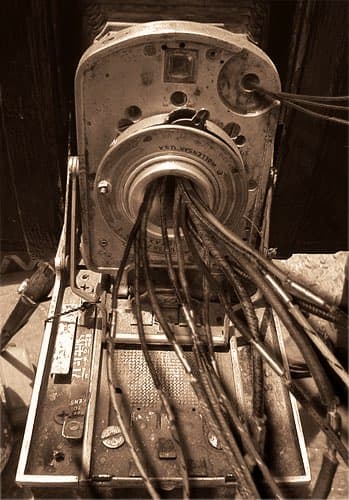
After the war he continued his studies at the university where he became familiar with the psychoanalytic theory of Sigmund Freud, and it was at this time that he started to conceptualizing his theory of a machine that would record dreams as photographs. In 1917 the financial situation of his family declined and shortly after that his mother died. Aaron could not continue his studies, but stayed in Vienna becoming obsessed with his dream recording machine. He even tries to contact Freud to win his support. It is not clear if they ever met, but according to their correspondence, Freud did not show much interest in Aaron’s work. Not only did he not believe it possible to construct such a machine, but he did not think that photographs of dreams could contribute much to the science of their interpretation.
In 1922 his father dies, and not long after that his sister was married and moved to Germany with her husband. Entirely alone and without a regular source of income Aaron found enough money to travel to New York and never returned to Europe. It was there that he became acquainted with Thomas Baker who will be his closest friend in the following years. Thomas Baker was a wealthy, optimistic businessman who leads a worldly life who believes in Aaron’s invention and persuades him to carry on his research. It was probably Baker who suggested that rather than use photography as the recording medium, the machine should use the latest medium at the time - film. Baker had inherited a fortune from his father, later doubled through stock investments, and was able to give all the necessary financial support to Aaron’s work.
By 1926 the machine was ready, but as he was unsure about the possible dangers, first he used it on himself. From Schwennesen’s notes it seems that the machine worked but did not record those dreams that he recalled in the morning, and almost never formed a meaningful story. Thomas Baker insisted on his dreams were recorded as well. To Aaron’s surprise, Baker’s dreams were much more story like even if they were also not necessarily those remembered in the morning. In the following few months numerous films were recorded with several test subjects. Schwennesen took notes on these experiments and continued to improve his invention. He planned to introduce it to the scientific audience very soon.
On 24th October,1929 stock values on Wall Street crashed and Thomas Baker lost his money within a few days. He was one of those who jumped out of the window of the Stock Exchange building. Aaron was devastated by the death of his close friend and in his despair he turned against his invention and destroyed the machine. He also burnt all the films, notes and plans.
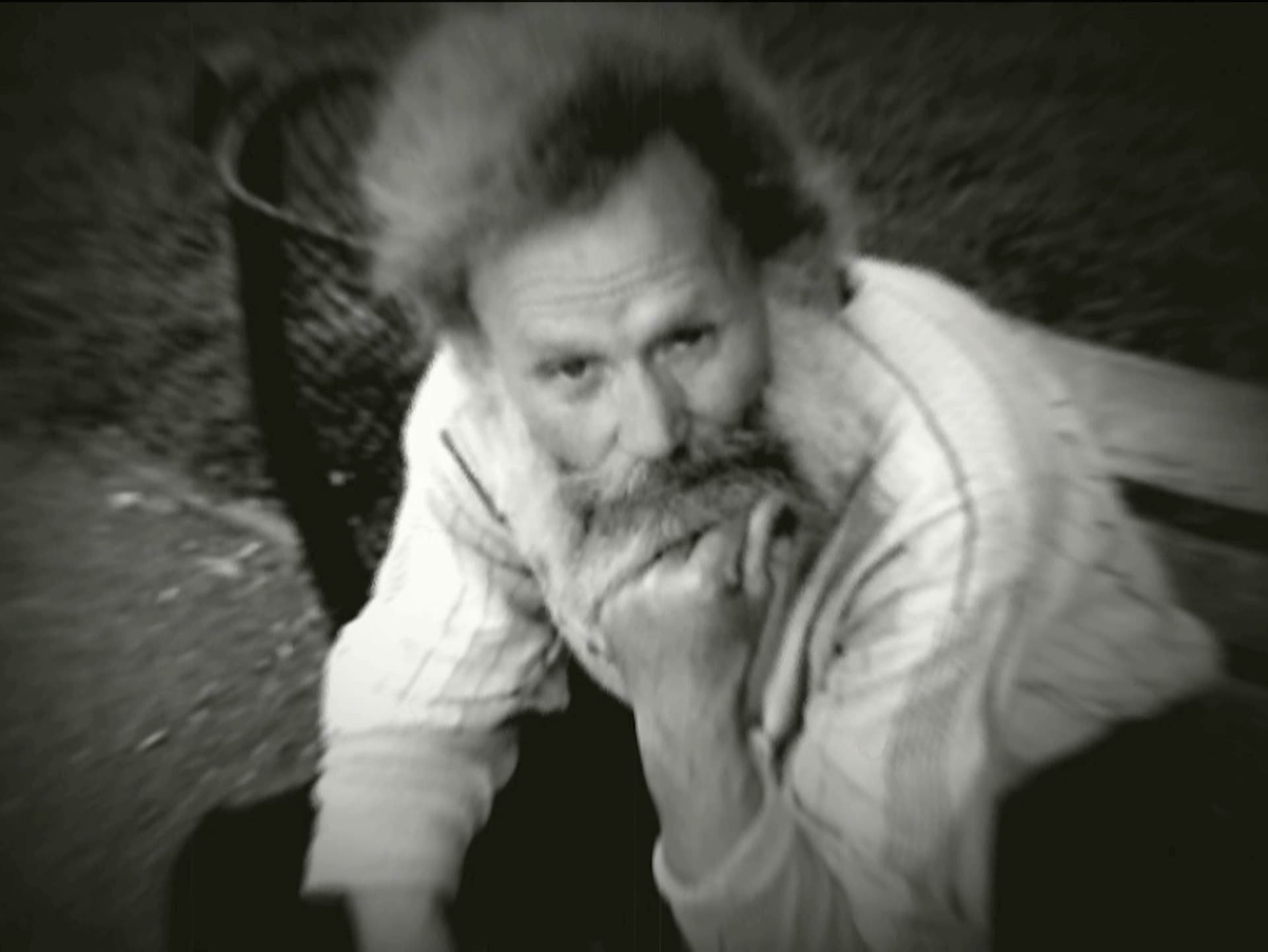
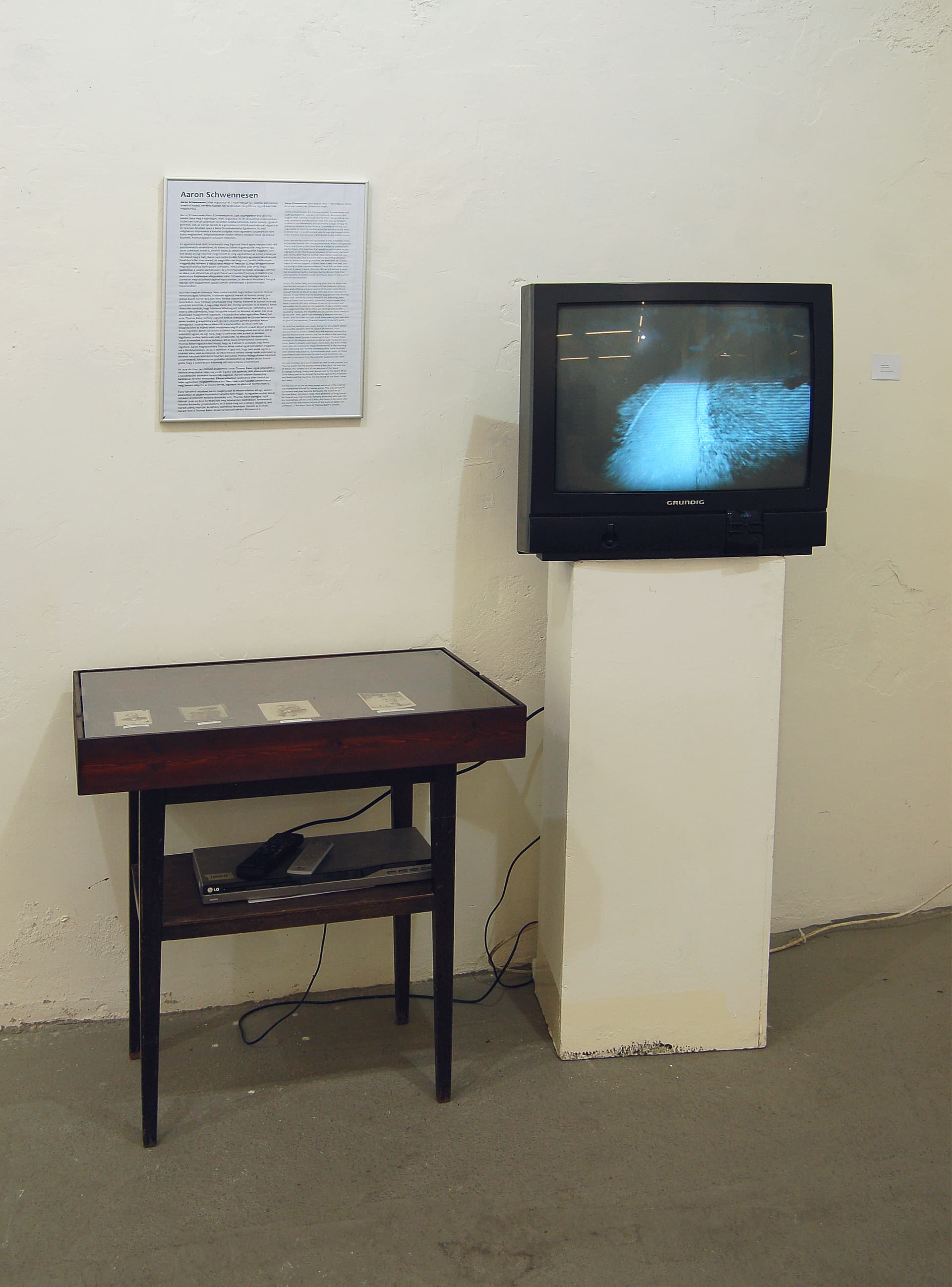
For the rest of his life he lived lonely and poor in his lodgings and maintained himself by casual works. The only person he sometimes met was Natasha Borowsky the widower of Thomas Baker. He died in 1938, most probably of lung cancer. His funeral was organized by Natasha Borowsky who kept his few belongings, photos and a diary she found in his room. She also saved the only known record of the work of Aaron Schwennesen, a few short films of Thomas Baker’s dreams.